
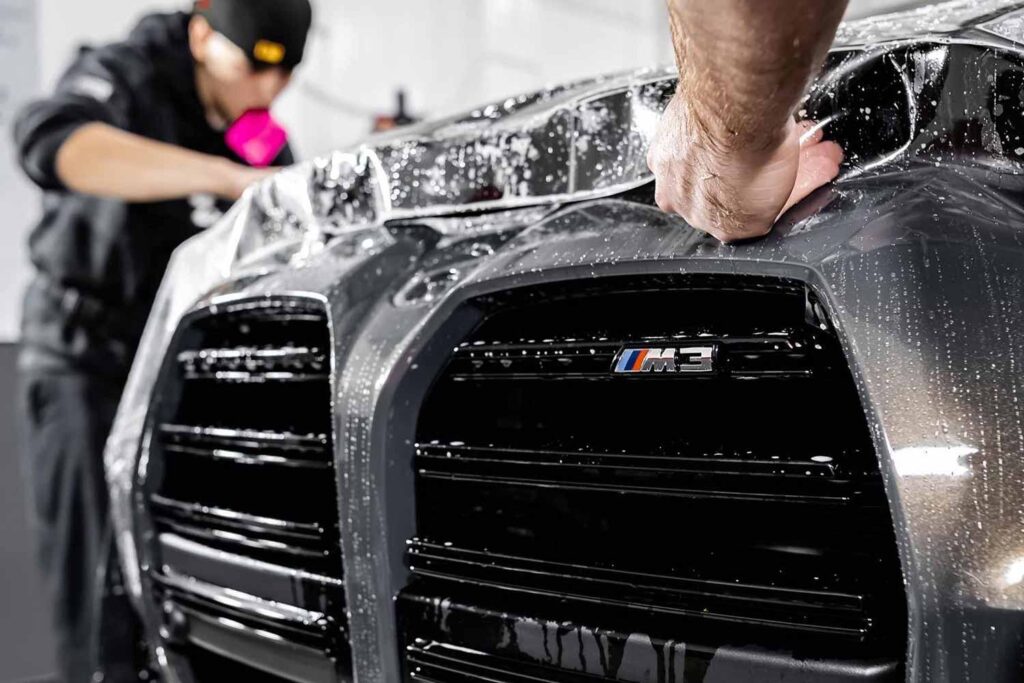
Paint Protection Film has become one of the most effective ways to preserve a vehicle’s finish, but not all installations are created equal. From a distance, two PPF jobs may appear similar. However, the difference between a good installation and a truly great one often reveals itself in the details months or even years later.
The best installers understand that PPF is about much more than simply applying film to paint. It requires proper preparation, technical skill, attention to detail, and a commitment to long-term durability. Here’s what separates an average installation from one that truly stands out.
Thorough Vehicle Inspection
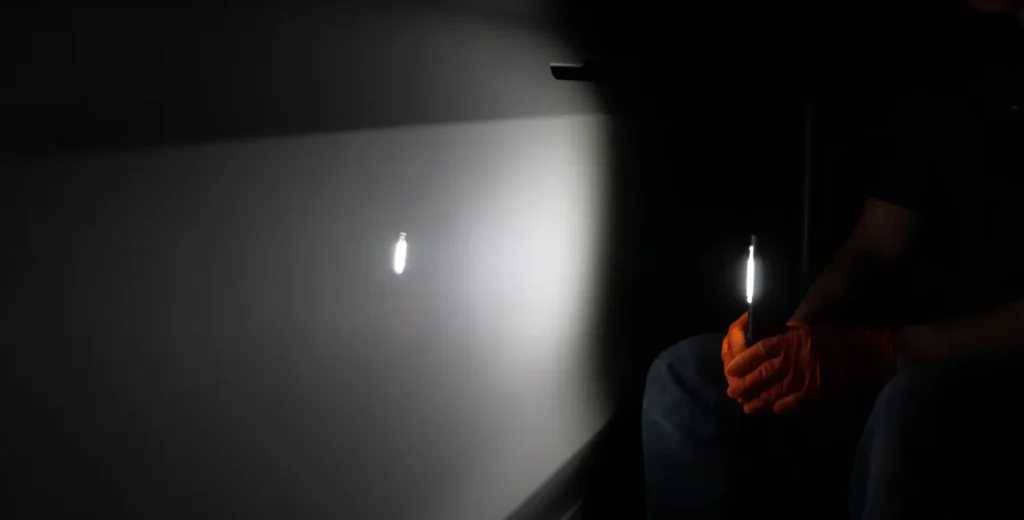
Every great PPF installation begins before a single piece of film is applied.
An experienced installer performs a comprehensive inspection of the vehicle to identify existing paint defects, rock chips, scratches, contamination, touch-up paint, and previous repair work. This inspection allows both the installer and vehicle owner to establish realistic expectations and address any concerns before installation begins.
Skipping this step can lead to surprises later, such as imperfections becoming trapped beneath the film or customer dissatisfaction when pre-existing defects are mistaken for installation issues.
A proper inspection creates a clear roadmap for the entire installation process.
A Meticulous Prep Process
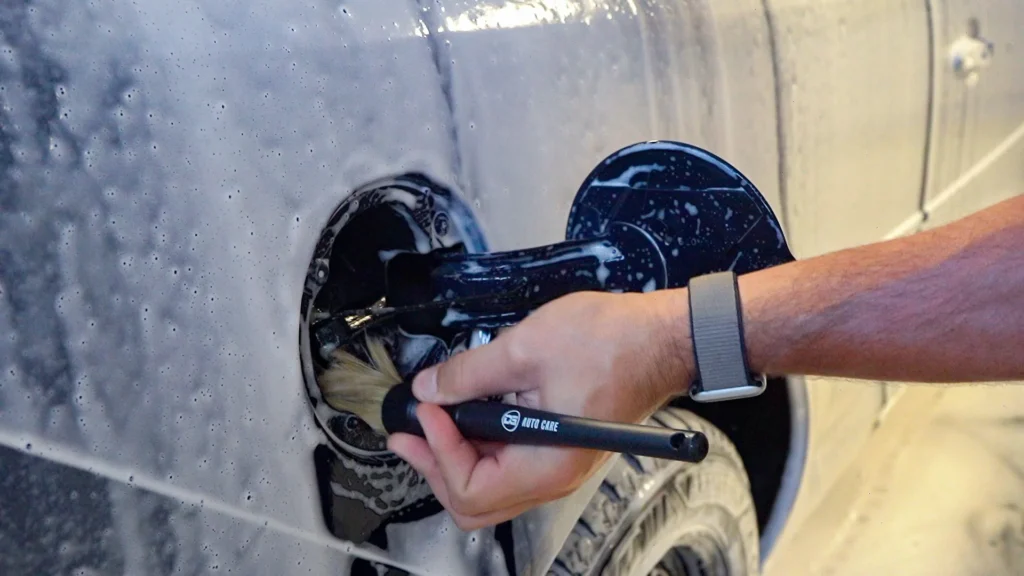
Preparation is arguably the most important stage of any PPF installation.
Even the highest-quality film cannot hide poor preparation. Dirt, polishing residue, waxes, oils, iron contamination, and other debris can interfere with adhesion and negatively impact the finished result.
A professional prep process often includes:
- Thorough hand washing
- Chemical decontamination
- Iron removal treatment
- Clay bar treatment when necessary
- Paint correction or polishing
- Panel wipe and surface preparation
- Careful cleaning of edges, seams, and crevices
The goal is to create the cleanest possible surface before installation begins.
Many installation issues that appear later can often be traced back to inadequate preparation rather than the film itself.
A Clean Installation Environment
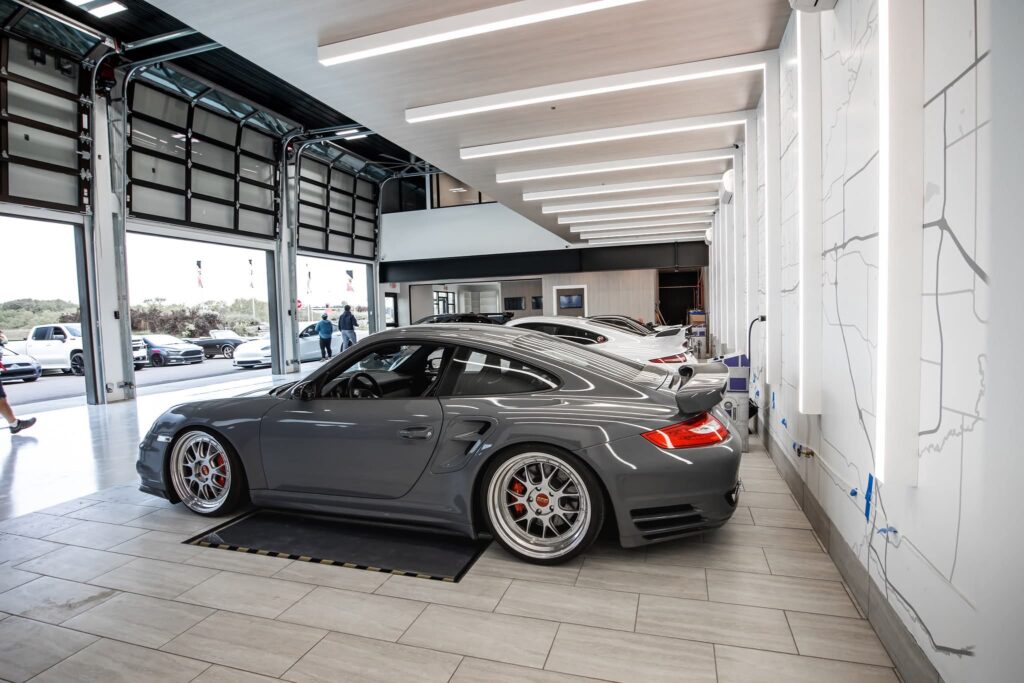
The installation environment plays a major role in the final outcome.
Dust, airborne debris, poor lighting, and uncontrolled temperatures can all negatively affect the installation process.
Great installers work in clean, organized environments designed specifically for PPF installation. Proper lighting allows imperfections to be identified quickly, while climate control helps ensure consistent film behavior and adhesion.
While a skilled installer can work around some environmental challenges, a controlled workspace significantly increases the likelihood of achieving exceptional results.
Pattern Modification and Customization
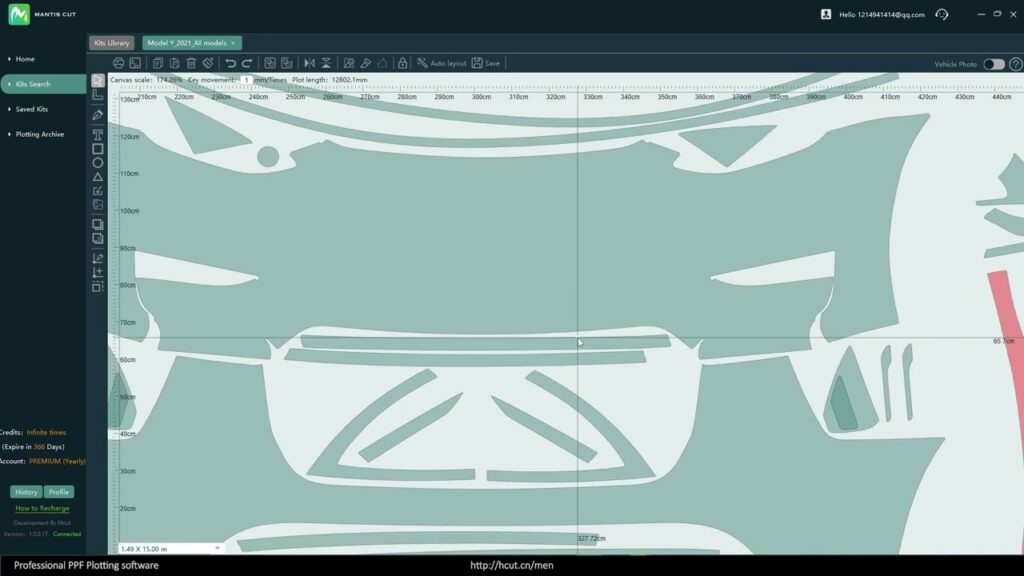
One of the biggest differences between average and high-end PPF installations is how patterns are handled.
Most modern installations begin with digitally plotted patterns, but great installers rarely rely on stock patterns alone.
Vehicles vary. Paint thickness varies. Body lines vary. Customer expectations vary.
Experienced installers often modify patterns to:
- Improve edge coverage
- Reduce visible seams
- Create cleaner transitions
- Extend coverage where appropriate
- Improve long-term durability
Pattern modification allows installers to tailor the film to the vehicle rather than forcing the vehicle to fit the pattern.
This level of customization is often what separates a standard installation from a premium one.
Proper Use of Disassembly
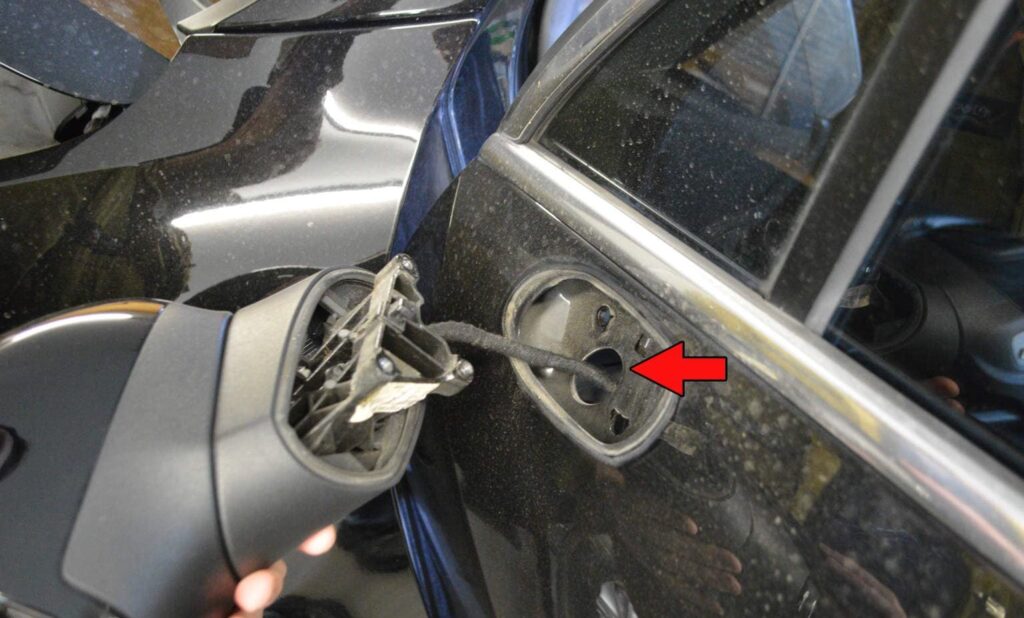
Some of the cleanest PPF installations require selective disassembly.
Depending on the vehicle, components such as badges, trim pieces, lights, mirrors, door handles, or grille sections may be removed to improve coverage and reduce visible edges.
However, great installers also understand that more disassembly is not always better.
The goal is strategic disassembly—not unnecessary disassembly.
Each component should only be removed when doing so provides a meaningful improvement in the final result while minimizing risk to the vehicle.
Knowing when to remove parts—and when to leave them alone—is a skill developed through experience.
Wrapped Edges Where They Should Be Wrapped
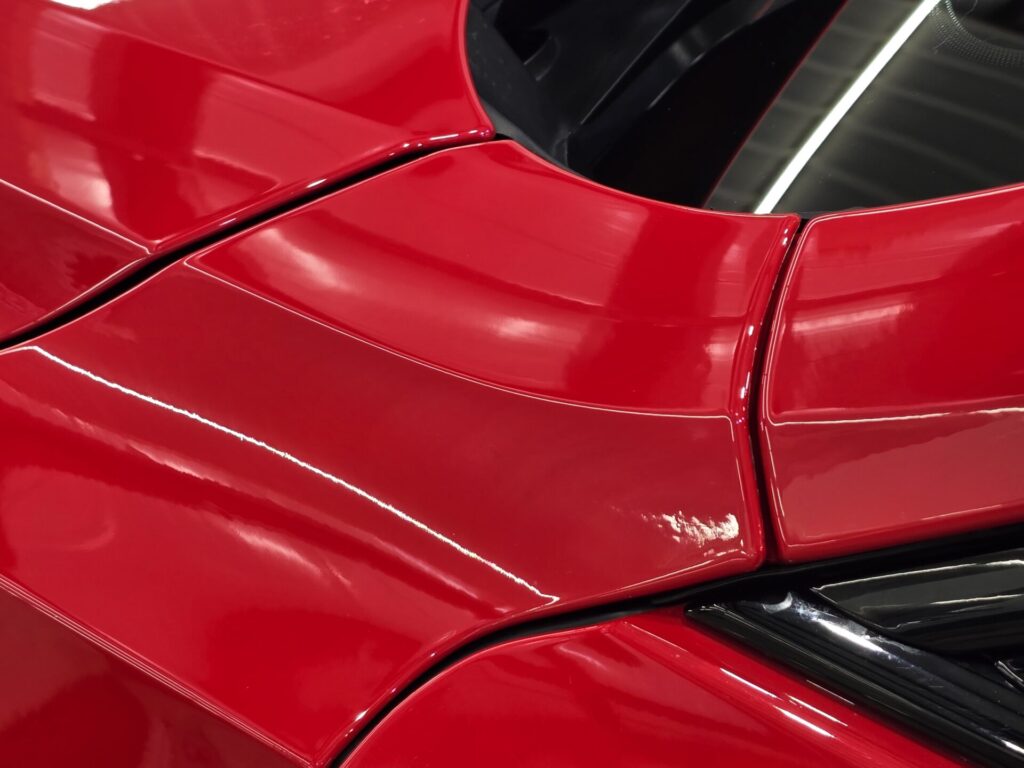
Many consumers assume that every edge should be wrapped whenever possible. In reality, proper edge wrapping requires balance.
A great installer looks at each panel individually and determines whether wrapping the edge will improve both appearance and longevity.
In some cases, wrapped edges create a cleaner look and better protection. In other situations, forcing film too far around an edge can create tension that increases the likelihood of lifting or contamination over time.
The best installers prioritize durability alongside aesthetics.
A wrapped edge should not simply look good on delivery day—it should continue performing years later.
Hugged Corners and Consistent Alignment
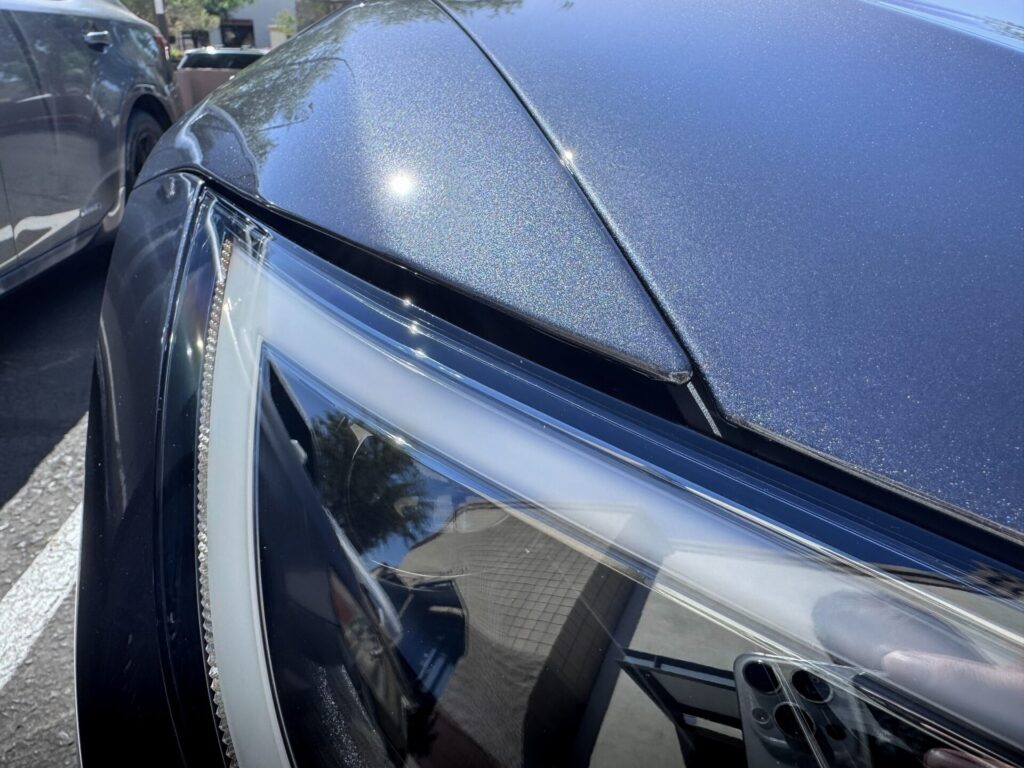
Attention to detail becomes especially visible around corners, body lines, and panel transitions.
Great installers take the time to ensure:
- Corners are properly seated
- Film alignment remains consistent
- Gaps are uniform
- Body lines are respected
- Stretch is minimized when possible
Sloppy corners and uneven alignment may not be obvious immediately, but they become increasingly noticeable as the vehicle ages.
The best installations maintain a factory-like appearance that blends naturally with the vehicle’s design.
Proper Post-Heating Techniques
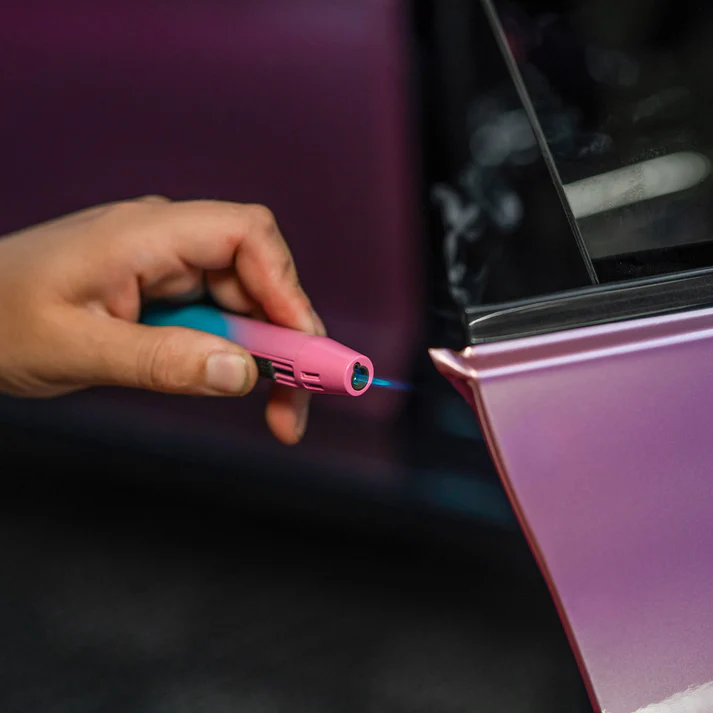
Post-heating is one of the most overlooked aspects of PPF installation.
Modern PPF films have memory. When stretched during installation, they naturally attempt to return to their original shape.
Proper post-heating helps lock film into position, particularly around:
- Wrapped edges
- Deep recesses
- Complex curves
- High-tension areas
- Corners and relief cuts
Without proper post-heating, edges may become more susceptible to lifting over time.
Experienced installers understand where post-heating is necessary and apply it strategically to maximize long-term performance.
High-Quality Film Matters
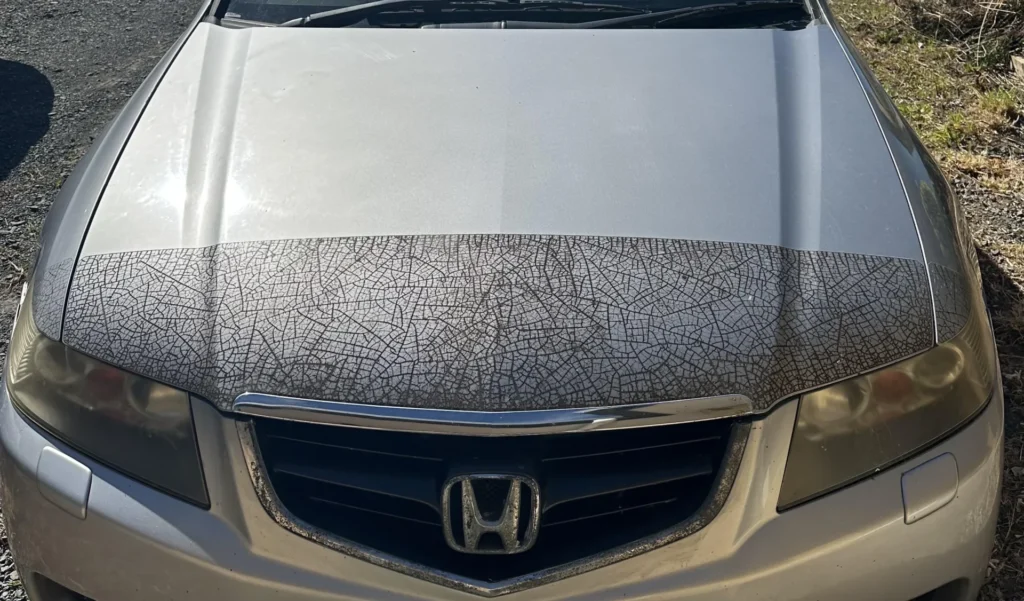
Even perfect installation techniques cannot compensate for poor-quality film.
Premium paint protection films offer advantages such as:
- Better optical clarity
- Improved stain resistance
- Stronger self-healing properties
- Superior hydrophobic performance
- Longer warranties
- Better long-term durability
Not all films are engineered to the same standards.
Choosing a reputable film backed by strong manufacturer support provides both performance benefits and peace of mind.
The Difference Is in the Details
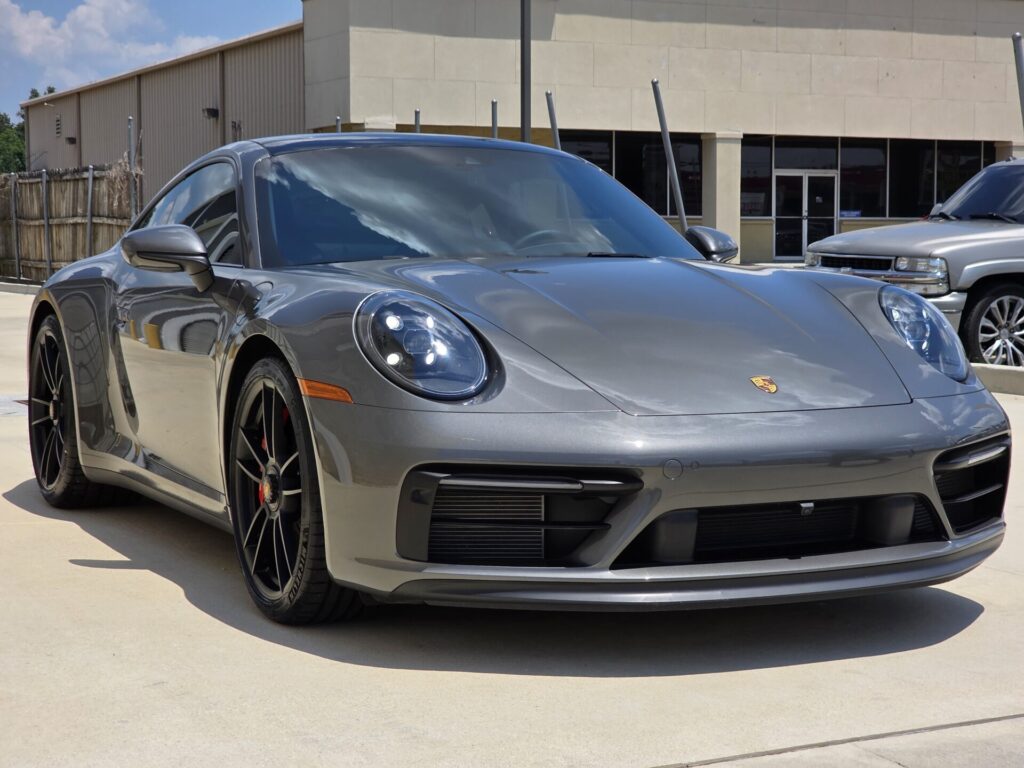
A good PPF installation protects a vehicle.
A great PPF installation protects a vehicle while appearing almost invisible.
It combines proper inspection, thorough preparation, clean working conditions, thoughtful pattern modification, strategic disassembly, precise edge work, proper post-heating, and high-quality materials into a finished product that looks exceptional and lasts for years.
When evaluating a PPF installer, don’t focus solely on price. Focus on process, experience, attention to detail, and the commitment to doing things correctly.
Because in paint protection film, the details you don’t immediately notice are often the ones that matter most.